Through the Lens: The Art of Food Photography and Capturing Culinary Delights
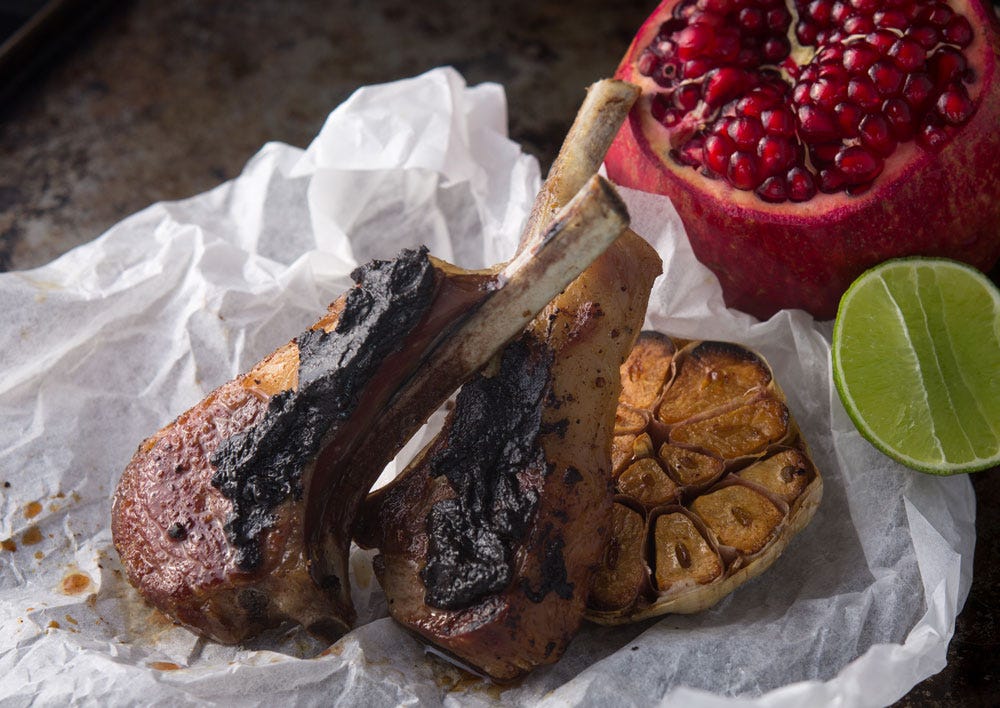
They say we eat with our eyes first, and food photography is the perfect way to whet our appetites before we even take a bite.
Whether you're a professional chef or just an avid foodie, capturing the perfect image of a culinary delight is an art form that can be mastered with practice and patience.
From the right lighting and angles to the props and colors, every element of food photography plays a crucial role in creating a striking and appetizing image.
In this blog post, we'll delve into the art of food photography, sharing tips and tricks for capturing the perfect shot that will leave your audience salivating and your culinary creations looking their best. So, grab your camera and let's get started!
1. The basics of food photography
Food photography has become increasingly popular with the rise of social media and food bloggers. It's a way to capture the beauty and essence food photographer of a dish and share it with the world. However, it takes more than just a phone camera to get the perfect shot.
Here are the basics of food photography:
Lighting: Lighting is key to getting a great shot. Natural light is the best, so try to take your photos during the day near a window. If you need to use artificial light, use a softbox or diffuser to create a more flattering light.
Composition: Composition is the arrangement of elements in the photo. Think about the color, texture, and shape of the food and how it will look in the photo. Use props such as plates, cutlery, and napkins to add interest to your shot.
Angles: The angle you shoot from can make a big difference in the final photo. Try different angles such as straight-on, overhead, or at a 45-degree angle. Play around with the placement of the food and props to find the best angle.
Editing: Editing is the final step in creating a great food photo. Use editing software to adjust the brightness, contrast, and color of the photo. Be careful not to over-edit as it can make the food look fake.
Food photography takes practice and patience, but with these basics, you can start capturing culinary delights like a pro.
2. Lighting and angles
When it comes to food photography, lighting and angles are two of the most important factors that can make or break a shot.
The right lighting can help showcase the colors, textures, and details of the food, while the right angle can help convey mood and atmosphere. First, let's talk about lighting.
It's important to use natural light whenever possible, as it helps bring out the natural colors of the food. If natural light is not available, then investing in some good artificial lighting equipment is a must.
Softbox lights can work wonders and help create a soft and even light that doesn't cast harsh shadows. Next, let's discuss angles. It's important to experiment with different angles to find the one that best showcases the food you're shooting.
For example, shooting from a bird's eye view can help show the entire plate and all the components, while shooting from a low angle can help create a more intimate and inviting feel. It's also important to consider the background and props when choosing your angles.
A clean and simple background can help the food stand out, while incorporating complimentary props, such as utensils or linens, can help create a cohesive and visually appealing shot.
In summary, lighting and angles are two essential components to consider when it comes to food photography. By experimenting with different lighting techniques and angles, you can capture stunning culinary delights that are sure to make your viewers' mouths water.
3. Styling and props
Styling and props are two key components when it comes to capturing great food photography. A well-planned styling and prop arrangement can make all the difference in how the final image looks. Styling refers to how the food is arranged and presented in front of the camera.
Props, on the other hand, are the additional elements that are added to the photograph to enhance the overall look of the image. When it comes to styling, you want to make sure that the food is the star of the show. Keep the background simple and focus on the food itself.
Use simple plates or dishes that complement the colors of the food. Use complementary colors to add visual interest. For instance, if you are photographing a red dish, use a green background or garnish to make the dish pop.
Props can be used to add depth, texture, and interest to the photograph. You can use anything from utensils, napkins, and tablecloths to plants and flowers to add visual interest to your photograph.
However, it is essential to keep the props minimal and not overdo it. Too many props can make the image look cluttered and take away from the food.
Overall, styling and props are an essential aspect of food photography. They can be used to create a visually stunning image that is both aesthetically pleasing and tantalizing to the taste buds.
A well-placed prop or a carefully arranged plate can make all the difference when it comes to capturing culinary delights.
4. Editing and post-processing
Editing and post-processing are essential elements in food photography. It is not enough to simply take a great photo of your culinary creations. You must also make sure that the photo is edited and post-processed to perfection.
One of the most important tools in post-processing is Adobe Lightroom. This software allows you to adjust the brightness, contrast, and color balance of your photos. You can also use it to crop your photos and remove any unwanted elements.
Another great feature of Lightroom is the ability to apply presets to your photos. Presets are pre-made editing settings that you can apply to your photos with one click. This can save you a lot of time and effort when editing your food photos.
In addition to Lightroom, there are also other editing tools available such as Photoshop and GIMP. These tools are more advanced and can be used to create more complex edits, such as removing backgrounds or adding text.
When editing your food photos, it is important to remember to not overdo it. You want your photos to look natural and appetizing, not overly edited.
A good rule of thumb is to make your photos look as close to reality as possible. With a little bit of editing and post-processing, you can take your food photos from ordinary to extraordinary.

Comments
Post a Comment